






How Often Should You Really Get a Comprehensive Eye Exam?
Your eyes are constantly working for you, helping you read, drive, use your phone, and take in the world around you. We rely on them so much that it is easy to overlook their health, especially if everything seems fine.
But just because your vision feels okay does not mean your eyes are completely healthy. Many eye problems begin without noticeable symptoms.
So how often should you get one?
What Is a Comprehensive Eye Exam?
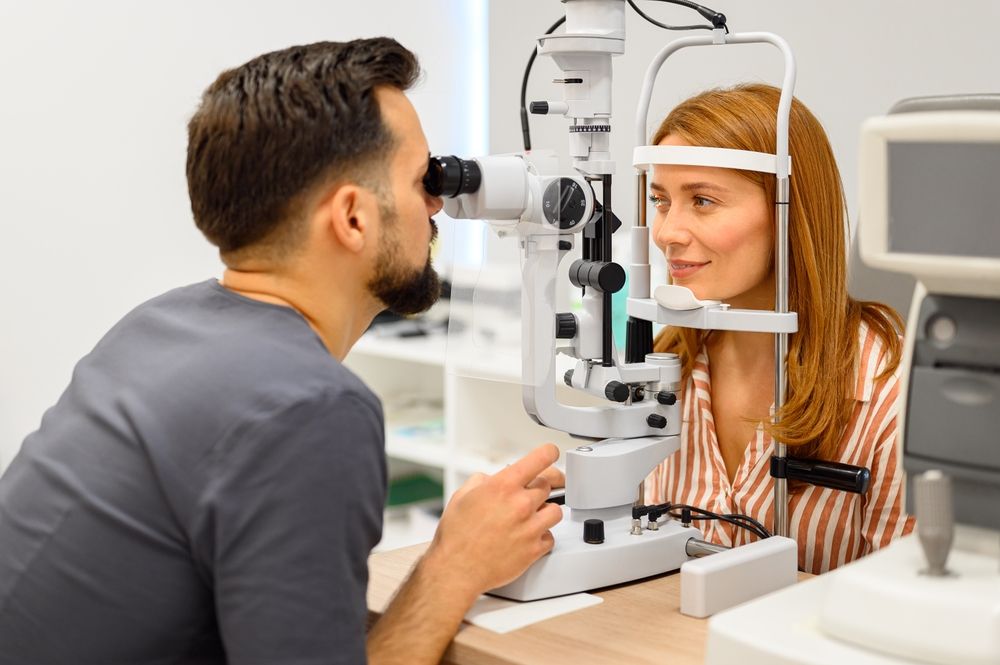
This eye exam is more than just reading letters on a chart. It is a full checkup for your eyes. An eye care provider assesses your vision sharpness and evaluates the overall health of your eyes. This includes looking at the retina, optic nerve, eye pressure, and how your eyes focus and move.
These exams can detect many conditions early, including glaucoma, macular degeneration, cataracts, and even signs of other health issues that show up in the eye.
If You Are Under 40 and Have No Symptoms
If you are healthy and do not have any vision problems, many eye care professionals suggest a comprehensive eye exam every two years in your 20s and 30s. At this age, changes tend to happen slowly, and problems are less common.
But if you start noticing changes, like headaches, eye strain, or trouble focusing, it is worth scheduling an exam sooner. Your eyes can change even when you do not notice.
Around Age 40 and Beyond
Around age 40, changes in vision become more common. Farsightedness, trouble seeing up close, and early signs of eye diseases can start to appear.
For adults in this age group who are otherwise healthy, an eye exam every one to two years is a good rule of thumb. Regular checkups help catch issues before they affect your daily life.
If You Wear Glasses or Contacts
If you wear contact lenses or glasses, regular exams are especially important. Your prescription can change over time, and contacts need to be checked to ensure they still fit comfortably and safely.
In many cases, people who wear corrective lenses benefit from a yearly eye exam to make sure their vision and eye health are up to date.
If You Have Diabetes or Other Health Conditions
Certain health conditions can affect your eyes even if you have no vision complaints. Diabetes, high blood pressure, autoimmune conditions, and a strong family history of eye disease can all increase the risk of eye problems.
If you have any of these conditions, it is a good idea to have a comprehensive eye exam at least once a year, or more often if your eye care provider recommends it.
Children and Eye Exams
Children’s eyes change quickly as they grow. Vision problems can also affect learning and school performance if they go unnoticed.
It is recommended that children have their first eye exam around 6 months old, then again at age three, and again before starting school. After that, a yearly eye exam helps track healthy development and catches any issues early.
Signs It Is Time for an Eye Exam
Even if you are due for an exam, certain signs mean you should see an eye care professional sooner:
- Blurred or double vision
- Frequent headaches
- Difficulty reading or focusing
- Eyestrain or tired eyes
- Seeing spots, flashes, or floaters
- Trouble seeing at night
These symptoms might not always mean a serious problem, but they are worth checking out.
For most adults, getting a full eye exam every one to two years is a good guide. If you have symptoms, wear corrective lenses, or have eye conditions, yearly exams are often best.
If you are not sure when you had your last exam, it might be time to schedule one. Your eyes are worth it.
For more on the frequency of getting comprehensive eye exams, visit Magic City Eyecare. Our office is in Vestavia Hills, Alabama. Call (205) 506-2200 to book an appointment today.


Contact Info
(205) 506-2257
Our Services
Hours of Operation
- Monday 8:00am - 5:00pm
- Tuesday 8:00am - 5:00pm
- Wednesday 8:00am - 5:00pm
- Thursday 8:00am - 5:00pm
- Friday 8:00am - 5:00pm
- Saturday Closed
- Sunday Closed
© 2026 Magic City Eyecare. All rights Reserved. Accessibility Statement - Privacy Policy - Sitemap
Powered by:
